
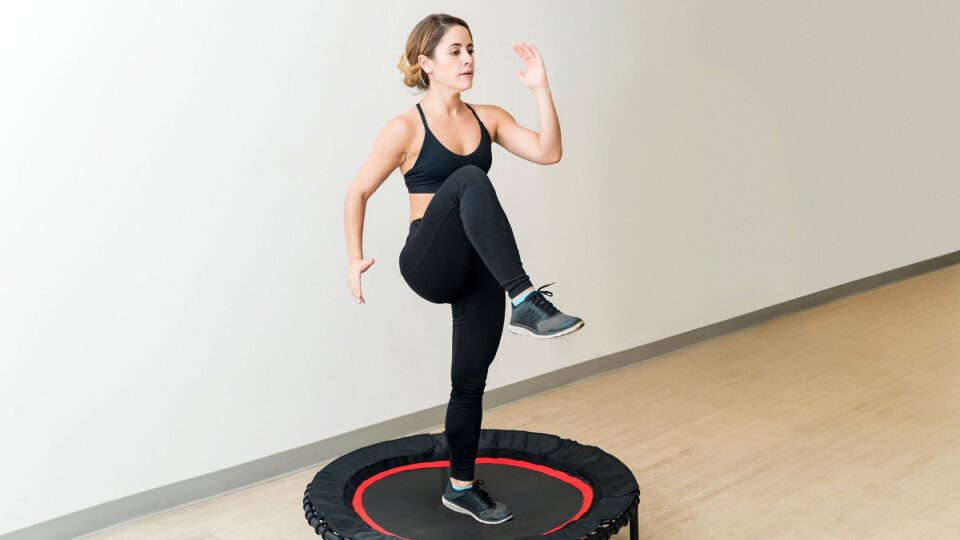
The best workouts do more than burn calories. They improve how the body moves, reacts and performs in daily life. This is why trampoline fitness singapore sessions are gaining attention among adults who want a workout that combines stamina, balance, core control and agility without feeling like a repetitive cardio routine.
Rebound training challenges the body in a unique way. The trampoline surface creates constant movement under the feet, so the body must stabilise, adjust and respond. This makes the workout more dynamic than many traditional cardio formats. It is not only about jumping higher. It is about moving better.
Core Control Begins With Stability
Core control is the ability to keep the trunk stable while the arms and legs move. It supports posture, balance, lifting technique, walking efficiency and everyday movement. Many people think core training means only crunches or planks, but real core strength is often developed through movement.
A trampoline class challenges the core because the body must remain balanced on a responsive surface. Every bounce requires the abdominal muscles, lower back and hips to work together. If the core is relaxed, the body feels unstable. If the core is active, movement becomes smoother and safer.
Over time, this can help participants improve body awareness and control.
Why Agility Matters for Adults
Agility is often associated with athletes, but it is useful for everyone. It helps people change direction, react quickly and move with confidence. In daily life, agility may help when stepping off a curb, avoiding a slip or responding to sudden movement.
Rebound workouts often include quick steps, tempo changes, directional shifts and coordinated patterns. These movements train the body to respond faster. The brain and body must work together because participants follow cues, match rhythm and control their landing.
For adults who spend much of the day sitting, this kind of movement can help restore a sense of quickness and coordination.
Cardiovascular Endurance Through Rhythm
Cardiovascular endurance improves through repeated movement that challenges the heart and lungs. Trampoline fitness creates this challenge through rhythmic bouncing and class sequences that keep the body active.
Because the movements are varied, participants may stay mentally engaged for longer. This can make endurance training feel less boring. Instead of focusing on how tired they are, participants focus on following the class flow.
The heart rate may rise during faster sections and settle during controlled sequences. This natural variation can help build stamina in a way that feels energetic rather than monotonous.
Coordination and Brain Engagement
A rebound class is not only physical. It also requires attention. Participants must follow instructor cues, match the beat, adjust footwork and coordinate arm movement. This gives the brain a role in the workout.
Coordination improves when the body practises timing and movement control repeatedly. For many adults, this is a refreshing change from workouts that feel automatic. The mind stays present because the class keeps changing.
This mental engagement can also reduce stress. When someone is focused on movement and rhythm, they may get a break from work pressure, phone notifications and daily worries.
Why Controlled Landing Is Important
Effective trampoline fitness depends on control. The aim is not to bounce carelessly. Good technique involves soft knees, stable hips, engaged core and controlled foot placement.
Controlled landing teaches the body to absorb movement properly. This can support better lower-body mechanics and reduce unnecessary strain. It also makes the class more efficient because the participant uses muscle control rather than relying only on momentum.
Good coaching matters here. A well-led class helps participants understand the movement and build confidence gradually.
Building a Balanced Fitness Week
Rebound training can support core control, agility and endurance, but it should not be the only form of exercise. Adults benefit from a balanced weekly routine that includes strength training, mobility work and recovery.
For example, a person may schedule trampoline fitness for cardio, weight training for strength, and stretching or mobility work on recovery days. This approach reduces boredom and supports better overall fitness.
The key is to train different systems instead of repeating the same stress every day.
Real-Life FAQs
Q. Can rebound training help improve balance?
Ans. Yes. The unstable surface encourages the body to make small adjustments, which can support balance and body awareness over time.
Q. Does trampoline fitness train the core?
Ans. Yes. The core works continuously to stabilise the body during bouncing, stepping and rhythm-based movement.
Q. Is agility training useful for non-athletes?
Ans. Yes. Agility supports everyday movement, confidence and reaction ability, not only sports performance.
