
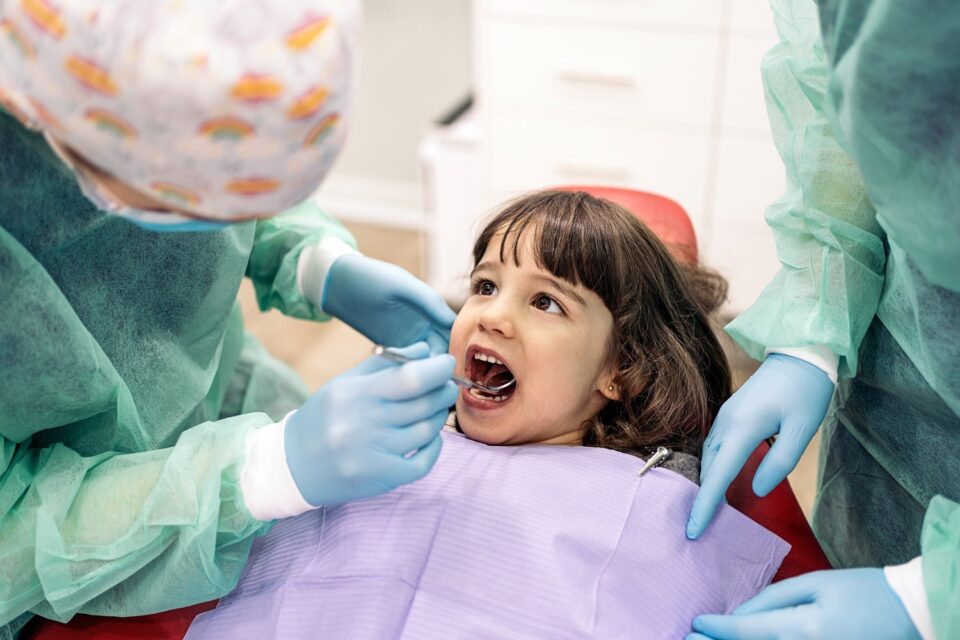
A child’s first tooth is a small milestone with a surprisingly large message: oral health begins long before a complete smile appears. Beneath the excitement of those first pearly whites lies an opportunity to establish habits, attitudes and knowledge that can influence a person’s wellbeing for decades. For Australian families, understanding dental health during childhood is not simply about preventing cavities. It is about teaching children to recognise that caring for their teeth is an ordinary, valuable part of caring for themselves.
The most meaningful dental education does not begin when a child develops a toothache. It begins through everyday conversations, playful demonstrations and positive experiences that make oral hygiene feel natural rather than compulsory.
The Foundations of a Healthy Smile Begin Early
Baby teeth are sometimes underestimated because they eventually fall out. However, they play important roles in chewing, speech development and maintaining space for permanent teeth. When decay affects these teeth, children may experience pain, difficulty eating, disrupted sleep and challenges concentrating on everyday activities.
This is where children’s dentistry becomes more than a clinical service. It provides an opportunity for families to understand how oral development progresses, recognise early warning signs and establish preventive routines before problems become complicated.
Australian children should generally have their first dental visit when their first tooth appears or by their first birthday, whichever comes first. Early appointments allow dental professionals to assess development, discuss feeding and brushing practices, and help parents understand how to protect emerging teeth.
These visits also introduce children to the dental environment while their teeth may still be healthy. Instead of associating the dentist exclusively with pain or treatment, children can gradually become familiar with examinations, equipment and friendly professional interactions.
Prevention, in this sense, is not merely the absence of disease. It is the presence of knowledge, confidence and habits that make disease less likely to develop.
Turning Dental Education into Everyday Behaviour
Children rarely develop lasting habits simply because an adult tells them something is important. They learn through repetition, observation and participation. Dental education becomes more effective when brushing and flossing are integrated into family life rather than treated as isolated chores.
Parents and carers can make these routines engaging by using a two-minute timer, brushing alongside their children or allowing them to choose a toothbrush with a favourite colour. Younger children often need assistance with brushing because their coordination and ability to clean thoroughly are still developing.
For children under 18 months, brushing generally begins with water and a soft toothbrush. From 18 months to six years, Australian guidance recommends a pea-sized amount of low-fluoride children’s toothpaste, used under adult supervision. Families should follow current advice from their dental professional regarding toothpaste, brushing technique and individual fluoride needs.
The goal is not to create a perfect routine overnight. It is to build a dependable rhythm that survives busy mornings, school holidays and the occasional bedtime negotiation.
Children who understand why they brush may also become more willing to participate. Explaining that brushing removes plaque, for example, introduces a simple scientific concept without making oral care intimidating. As children mature, these explanations can evolve into more detailed discussions about bacteria, enamel and the effects of frequent sugar consumption.
Food Choices, School Life and the Australian Context
A healthy smile is influenced by more than a toothbrush. Dietary habits, access to dental services, family circumstances and the surrounding environment all contribute to children’s oral health.
Frequent consumption of sugary drinks, confectionery and sweet snacks increases the risk of tooth decay. Water and plain milk are generally better everyday drink choices, while limiting sugary foods between meals can reduce repeated acid attacks on tooth enamel.
Australian families can reinforce these lessons through school lunchboxes, grocery shopping and conversations about food labels. Rather than presenting certain foods as forbidden, parents can explain how the frequency of sugar exposure affects teeth and why balanced choices matter.
Schools and early learning centres can also contribute by incorporating age-appropriate oral health activities into broader health education. Storybooks, supervised brushing demonstrations and discussions about nutritious food can help children connect classroom learning with home routines.
However, education must be supported by practical access to care. Families facing financial pressures, geographic isolation or limited access to dental professionals may find preventive appointments difficult to arrange. Australia’s public dental services and state or territory eligibility requirements vary, so parents can contact their local health service to understand available options.
A child’s opportunity to maintain a healthy smile should not depend entirely on their family’s ability to navigate complex health information or afford private treatment.
Replacing Dental Fear with Confidence
A child’s emotional experience of dentistry can influence how they approach healthcare as teenagers and adults. A rushed appointment, frightening language or an unexpected procedure may create anxiety, particularly when children do not understand what is happening.
Positive dental experiences begin with communication. Dentists can explain procedures in child-friendly language, demonstrate instruments before using them and give children opportunities to ask questions. Parents can help by avoiding threatening expressions such as “the dentist will pull your tooth if you don’t brush”.
This approach respects children’s feelings while helping them develop confidence. It also teaches an important life lesson: asking questions, communicating discomfort and seeking professional help are responsible behaviours.
The importance of early childhood dental care extends beyond protecting primary teeth. It includes shaping a child’s relationship with preventive healthcare, encouraging regular check-ups and reducing the likelihood that fear will delay treatment when problems arise.
Building a Future of Prevention
As children grow, their dental education must grow with them. Preschoolers may benefit from colourful demonstrations, while primary school students can learn about plaque, healthy food choices and the development of permanent teeth. Teenagers need practical guidance about orthodontic appliances, sports mouthguards, oral piercings and the effects of smoking or vaping on oral health.
Digital resources can support this learning, but reliable information remains essential. Parents should seek guidance from qualified dental professionals and reputable Australian health organisations rather than relying on social media trends or unverified home remedies.
Ultimately, the importance of early childhood dental care lies in its ability to transform information into lifelong behaviour. A child who learns to brush carefully, eat thoughtfully, attend regular dental appointments and speak openly about discomfort gains more than protection against tooth decay. They develop a foundation for taking responsibility for their own wellbeing.
The first tooth may be small, but the lessons surrounding it can last a lifetime. When families, schools and dental professionals work together, oral health becomes less about correcting problems and more about preventing them. That is the deeper promise of children’s dental education in Australia: helping the next generation grow up understanding that a healthy smile is not an accident, but the result of knowledge, consistent care and confidence built one day at a time.
