
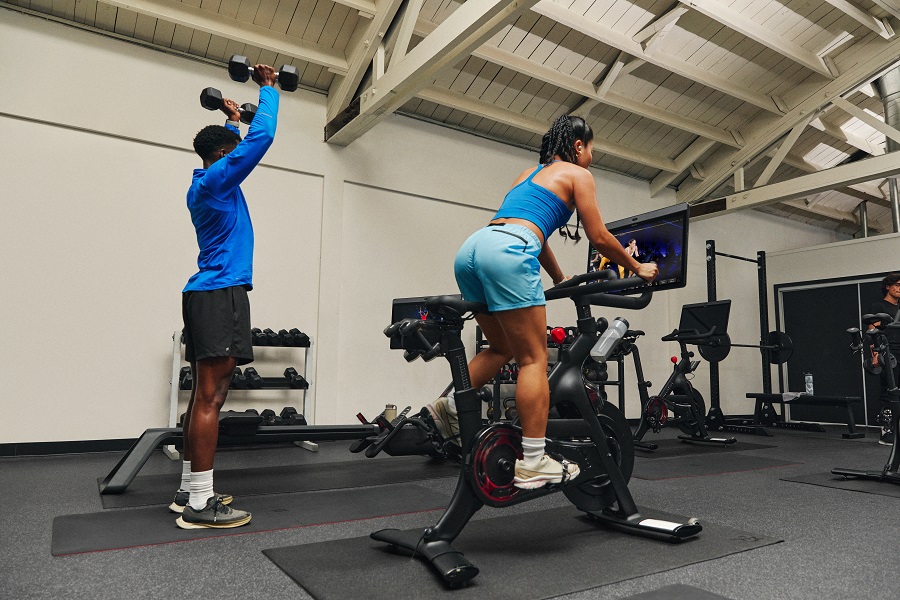
For decades, the fitness world remained sharply divided into two ideological camps. On one side stood the dedicated lifters, convinced that running even a single mile would cannibalize hard-earned muscle mass and ruin their strength gains. On the other side were the endurance enthusiasts, persuaded that lifting heavy weights would make them bulky, rigid, and slow on the pavement. This artificial divide forced everyday athletes to choose between cardiovascular stamina and muscular power, creating specialized bodies that often excelled in one domain while struggling in the other.
Modern exercise science has thoroughly dismantled this either-or mentality. Blending cardiovascular conditioning and resistance training into a single, cohesive regimen—often termed concurrent training—delivers physiological benefits that neither discipline can achieve in isolation. Rather than working against each other, these two training modalities complement one another, creating a body that is not only visually balanced, but exceptionally durable, metabolically efficient, and capable across real-world physical demands.
Dismantling the Myth of the Interference Effect
The lingering reluctance to blend cardio and strength originates from early athletic studies in the 1980s that introduced the concept of the “interference effect.” The hypothesis suggested that the molecular pathways responsible for endurance adaptations (primarily AMPK) and muscle hypertrophy (primarily mTOR) shut each other down when triggered in close proximity. Lifters worried that endurance work would blunt muscle protein synthesis, while runners worried that heavy lifting would impair mitochondrial efficiency.
While extreme endurance training—such as running sixty miles a week while trying to maximize powerlifting totals—can indeed create competing physiological demands, recreational and intermediate athletes face virtually no downside when managing volume sensibly. In reality, moderate, well-programmed cardiovascular work supports resistance training rather than hindering it. Aerobic conditioning expands the capillary beds inside muscle tissue, facilitating better blood flow, rapid nutrient delivery, and more efficient waste removal. Far from shrinking muscle tissue, a properly tuned aerobic engine provides the cellular infrastructure needed to support harder, more productive lifting sessions.
Synergistic Metabolic Adaptations and Body Recomposition
When the goal is shifting body composition—shedding excess body fat while preserving or developing lean muscle tissue—relying exclusively on one modality leaves substantial results on the table.
Caloric Burn Paired with a Strong Resting Metabolism
Cardiovascular exercise remains an unmatched tool for acute energy expenditure. A forty-minute tempo run or vigorous rowing session burns a considerable amount of energy in real time, drawing heavily on circulating glycogen and lipid stores. However, once the workout concludes, energy expenditure returns to baseline relatively quickly.
Resistance training functions on a different timeline. While a heavy lifting session may burn fewer calories during the actual workout than an equivalent block of continuous running, it stimulates muscle protein synthesis and triggers substantial excess post-exercise oxygen consumption (EPOC). More importantly, building dense muscle tissue elevates your basal metabolic rate around the clock. Every additional pound of contractile tissue requires ongoing caloric maintenance, even during sleep.
Combining both modalities creates a two-pronged metabolic engine: cardiovascular work drives acute energy expenditure, while resistance training ensures that weight lost comes from adipose tissue rather than metabolically active muscle.
Comprehensive Cardiovascular and Structural Longevity
Focusing solely on weightlifting can produce an individual who can deadlift four hundred pounds but gets winded walking up three flights of stairs. Conversely, focusing solely on distance running can produce an individual with exceptional resting heart rates who suffers from joint instability, postural decay, or bone loss later in life.
Cardiovascular exercise improves the heart’s stroke volume, meaning each beat pumps a larger volume of oxygenated blood through the body with less effort. It expands lung capacity, lowers resting blood pressure, improves lipid profiles, and enhances endothelial function within blood vessels. These adaptations are vital for long-term health, directly lowering the lifetime risk of cardiovascular disease.
Strength training provides the structural armor that aerobic exercise cannot deliver. Progressive resistance training places mechanical tension on the skeletal framework, stimulating osteoblast activity and dramatically increasing bone mineral density. This dynamic protects against osteopenia and osteoporosis in older age. Furthermore, lifting strengthens tendons, ligaments, and stabilizing muscles around vulnerable joints like the knees, hips, and shoulders. For endurance athletes, strength training acts as injury prevention insurance, shielding joints from the repetitive impact forces inherent to running or cycling.
Superior Work Capacity and Faster Recovery Between Sets
One of the most practical benefits of concurrent training shows up directly on the weight room floor. Many lifters fail to complete their final repetitions on heavy barbell squats, kettlebell complexes, or walking lunges not because their muscular strength gave out, but because their cardiovascular system collapsed under the systemic fatigue.
When your aerobic base is underdeveloped, your body struggles to clear metabolic byproducts like hydrogen ions between intense efforts. Your heart rate remains elevated for minutes after a working set, forcing you to take excessively long rest periods just to catch your breath.
A well-conditioned cardiovascular system accelerates the resynthesis of adenosine triphosphate and creatine phosphate (ATP-CP) during rest intervals. By clearing metabolic fatigue faster and supplying fresh oxygen to working tissues, improved aerobic fitness allows you to:
-
Sustain higher training volumes without hitting a wall
-
Shorten rest periods between heavy sets without sacrificing output
-
Maintain mental clarity and strict movement mechanics under physical fatigue
-
Recover faster between separate training days throughout the week
Structuring the Routine for Maximum Benefit
Reaping the rewards of concurrent training does not require spending three hours inside a gym every day. Success hinges on intelligent organization, volume management, and managing fatigue.
Managing Order of Operations
If your primary fitness objective is building maximal strength and muscle mass, prioritize resistance training at the beginning of your session while your central nervous system is fresh. Lifting first allows you to apply full muscular force with proper form, reducing the risk of injury caused by pre-exhaustion. You can then finish with twenty to twenty-five minutes of steady-state aerobic conditioning.
If your primary goal is training for a road race or marathon, reverse the order or separate the sessions entirely. Whenever possible, providing six to eight hours between hard cardiovascular efforts and demanding resistance sessions minimizes neuromuscular interference and gives your nervous system time to reset.
Selecting Low-Impact Cardio Modalities
To preserve your joints while lifting heavy, choose cardiovascular tools that provide aerobic conditioning without excessive mechanical shock. High-impact running on asphalt combined with heavy squatting can easily overwhelm the patellar tendons and lower back. Incorporating low-impact options such as incline treadmill walking, the stationary bike, the rowing machine, or swimming delivers the full spectrum of cardiovascular benefits while keeping connective tissue healthy and pliable.
Living in an extreme camp of fitness limits your overall physical potential. Building a capable, resilient body requires both the engine to go the distance and the horsepower to move heavy loads. By pairing cardio and strength training into a unified weekly routine, you eliminate athletic blind spots and build a physique prepared for whatever physical demands life presents.
