
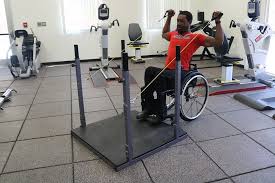
In the fast-evolving world of fitness, adaptive exercise has emerged as a sophisticated approach that goes far beyond traditional training routines. It’s not about lifting heavier weights or running faster — it’s about evolving your exercise strategy based on real-time physiological feedback, neuromuscular adaptation, and metabolic efficiency. This article explores how adaptive exercise transforms static workouts into dynamic, data-driven regimens that continually align with your body’s changing needs.
Understanding Adaptive Exercise
Adaptive exercise refers to a customized, evolving training protocol that adjusts intensity, duration, and modality based on an individual’s performance metrics, recovery status, and biomechanical efficiency. Unlike conventional programs that follow a fixed pattern, adaptive exercise uses feedback loops — through data or self-monitoring — to fine-tune each session for optimal results.
At its core, it recognizes that the human body is not static. Hormonal levels, sleep quality, nutrition, and stress influence how effectively one can train and recover. Adaptive training acknowledges this variability and builds flexibility into the exercise plan.
Key Principles of Adaptive Exercise
-
Feedback-Based Progression: Instead of pre-set progressions (like linear overload), adaptive training uses performance data — such as heart rate variability (HRV), perceived exertion, and movement efficiency — to guide progression.
-
Dynamic Recovery: Recovery days aren’t fixed; they depend on real-time fatigue indicators rather than arbitrary schedules.
-
Individualized Stress Load: Adaptive exercise customizes training stress to the individual’s capacity at any given time.
-
Multidimensional Adaptation: It goes beyond muscle growth and includes neurological, cardiovascular, and metabolic adaptation.
Neuromuscular Adaptation: The Hidden Driver of Long-Term Performance
When discussing adaptation in exercise, many people focus solely on muscle hypertrophy or strength gains. However, neuromuscular adaptation — the brain’s ability to communicate efficiently with muscles — is the true cornerstone of performance evolution.
The Process of Neuromuscular Optimization
-
Motor Unit Recruitment: Adaptive training improves how effectively your brain recruits motor units, especially high-threshold ones that are critical for explosive strength.
-
Movement Economy: Through feedback tools (like motion sensors or velocity tracking), adaptive training helps refine movement patterns, minimizing energy wastage.
-
Neural Fatigue Monitoring: Tracking reaction time or bar speed can indicate central nervous system (CNS) fatigue, allowing adjustments before overtraining occurs.
This integration of neurological awareness into training design is what separates adaptive athletes from traditional exercisers. It ensures every rep is not just movement — but communication refinement between brain and body.
Data-Driven Exercise Intelligence
The rise of wearable technology has revolutionized adaptive training. Devices that track HRV, oxygen consumption (VO₂), lactate threshold, and sleep quality provide continuous insights that help athletes tailor workouts to their daily readiness.
How Data Refines Exercise Decisions
-
Heart Rate Variability (HRV): A high HRV indicates readiness for intense training, while a low HRV suggests a need for recovery or lower intensity work.
-
Sleep Tracking: Adaptive programs incorporate sleep data to modify workout load — poor sleep automatically triggers lighter, mobility-based sessions.
-
AI-Driven Platforms: Advanced systems use machine learning algorithms to predict performance plateaus, helping to preempt stagnation.
By interpreting physiological signals, adaptive training creates micro-adjustments daily — optimizing progress while preventing injury and burnout.
The Metabolic Intelligence of Exercise Adaptation
Every athlete’s metabolism adapts uniquely to stress. The ability to train your metabolic pathways intelligently — rather than merely increasing effort — is what defines long-term sustainability.
Metabolic Adaptation Mechanisms
-
Fuel Utilization Shifts: Adaptive exercise alternates between high-intensity and low-intensity sessions to train both aerobic and anaerobic systems.
-
Lactate Clearance Efficiency: Intermittent recovery intervals help the body reuse lactate as fuel, enhancing endurance performance.
-
Energy System Periodization: Rather than following a rigid “cardio vs. strength” schedule, adaptive training cycles target different energy systems weekly, based on the athlete’s biometrics.
This method builds a metabolism that is responsive, flexible, and fatigue-resistant, resulting in consistent performance across training cycles.
Environmental Adaptation: Training Beyond Controlled Conditions
Adaptive exercise extends beyond the body — it also includes environmental variables such as altitude, temperature, and terrain. This form of environmental adaptation prepares athletes for real-world unpredictability.
Environmental Factors That Influence Adaptation
-
Altitude Training: Enhances oxygen efficiency and red blood cell production, later translating to superior endurance at lower altitudes.
-
Heat Acclimation: Gradually training in hotter environments increases plasma volume and thermoregulation capacity.
-
Terrain Variability: Uneven surfaces improve proprioception, joint stability, and neuromuscular coordination.
An adaptive approach integrates these variables strategically — simulating stress that makes the body not just stronger, but smarter.
Cognitive Adaptation: The Mental Component of Exercise
Physical adaptation is incomplete without cognitive growth. Adaptive exercise incorporates mental resilience, focus, and emotional regulation into its framework.
Mind-Muscle Connection & Mental Calibration
-
Cognitive Load Management: Too much mental stress can impair recovery. Adaptive training modulates workload based on mental readiness scores.
-
Neuroplasticity in Training: Introducing variability (like unstructured drills or reactive exercises) fosters new neural pathways, enhancing both focus and coordination.
-
Biofeedback Training: Techniques such as controlled breathing and visualization improve autonomic control and training efficiency.
By aligning cognitive and physical adaptation, athletes achieve holistic readiness — the ability to perform optimally regardless of external or internal fluctuations.
Implementing Adaptive Exercise in Advanced Training
To implement an adaptive framework effectively, one must integrate tracking, analysis, and intuition.
Core Implementation Strategies
-
Integrate Smart Technology: Use HRV monitors, bar speed sensors, and recovery tracking apps for objective insights.
-
Cycle Intensity Intelligently: Replace fixed deloads with data-driven rest phases.
-
Monitor Subjective Feedback: Combine data with self-assessments — energy levels, focus, and motivation — to capture the full picture.
-
Embrace Micro-Periodization: Instead of rigid 12-week programs, use weekly recalibrations based on recovery and adaptation signals.
-
Stay Flexible: The essence of adaptive training lies in fluidity — your plan should evolve as your physiology does.
These methods create a feedback-rich ecosystem, ensuring that training continuously aligns with your evolving performance potential.
The Future of Exercise Adaptation
With AI-driven wearables, motion analytics, and metabolic profiling becoming mainstream, adaptive exercise will soon form the foundation of personalized fitness ecosystems. Imagine a future where your workout automatically adjusts intensity based on your muscle oxygenation or hormonal status in real time.
The emphasis will shift from working harder to working in harmony with your body’s biological rhythms — an evolution that will redefine human performance in both athletic and everyday contexts.
FAQs
1. How is adaptive exercise different from traditional periodization?
Traditional periodization follows pre-set cycles, while adaptive exercise continuously evolves based on physiological and environmental feedback.
2. Can adaptive exercise be used for strength training?
Absolutely. Strength programs can adjust load and volume in real-time based on bar velocity, recovery metrics, and fatigue indicators.
3. Do you need wearable technology for adaptive training?
While technology enhances precision, it’s not mandatory. Experienced athletes can use subjective cues like perceived exertion and mood to guide adaptation.
4. How often should adaptive training parameters change?
Adjustments can occur daily or weekly depending on collected data and the athlete’s recovery trends.
5. Does adaptive exercise prevent overtraining?
Yes. Because it accounts for both physical and neurological fatigue, it helps prevent chronic stress accumulation and overuse injuries.
6. Is adaptive exercise suitable for endurance athletes?
It’s ideal for endurance athletes, as it optimizes aerobic and anaerobic system balance, recovery timing, and environmental conditioning.
7. What’s the biggest advantage of adaptive training?
The ability to evolve with your body — creating continuous growth without plateauing — makes adaptive exercise the most efficient and sustainable training model today.
Conclusion:
Adaptive exercise represents the next evolution in fitness science — a dynamic, intelligent, and personalized approach to physical development. By integrating feedback mechanisms, metabolic awareness, and cognitive alignment, it ensures that training never stagnates but continually transforms alongside the individual. This is not just the future of exercise — it’s the beginning of precision performance.
