
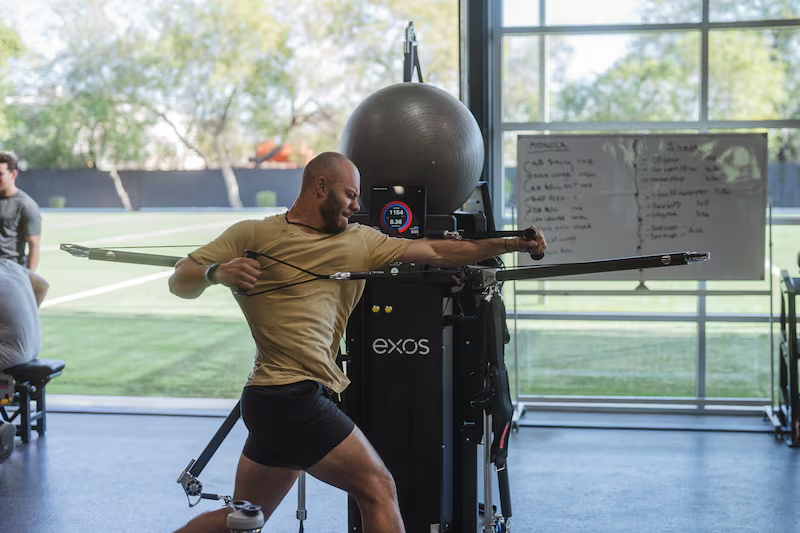
Introduction: Beyond Traditional Fitness Training
The world of fitness has evolved from simple routines and one-size-fits-all workout plans to sophisticated systems that use data and technology to maximize performance. Gone are the days of guessing how much to train or when to rest. With adaptive training, every movement, heartbeat, and recovery pattern is analyzed to create a training system that adjusts in real time. This approach is not only revolutionizing professional athletics but also transforming how everyday fitness enthusiasts reach their goals. Adaptive training represents a new era in fitness — one where science, AI, and physiology come together to optimize human potential.
Understanding Adaptive Training
Adaptive training refers to a data-driven approach that modifies workout intensity, volume, and rest periods based on the individual’s performance, recovery, and readiness. Instead of following a static program, adaptive systems dynamically change your training load depending on real-time feedback from biometric data. It’s fitness personalization at its most advanced level — adjusting not just weekly or monthly, but even within a single workout session.
How It Works
Adaptive training systems leverage biometric sensors, AI-driven algorithms, and machine learning models to process real-time data such as:
-
Heart rate variability (HRV)
-
Power output
-
Muscle fatigue levels
-
Sleep quality
-
Oxygen saturation (SpO₂)
-
Training history and trend analysis
Using this information, the system automatically determines whether to push harder, maintain the current intensity, or focus on recovery. This constant feedback loop ensures that every session is optimal for your body’s current state.
The Core Science Behind Adaptive Fitness
At its core, adaptive training merges sports science with artificial intelligence. The foundation lies in understanding the body’s stress-recovery balance. When training load exceeds recovery capacity, fatigue accumulates, increasing the risk of injury and performance decline. Conversely, undertraining limits growth and adaptation. The goal of adaptive systems is to continuously find and maintain the “optimal load zone.”
Key Scientific Principles
-
Supercompensation Theory: Adaptive training ensures workouts are timed to align with the body’s supercompensation phase—when recovery leads to increased performance capacity.
-
Neuroplastic Adaptation: By varying intensity intelligently, adaptive systems stimulate the nervous system for continual improvement without burnout.
-
Biochemical Monitoring: Real-time metrics such as lactate threshold and HRV help identify when to adjust training to maintain metabolic efficiency.
-
Predictive Modeling: AI algorithms predict fatigue accumulation and performance readiness, adjusting the next session before overtraining occurs.
Technologies Driving Adaptive Training
The backbone of adaptive training lies in smart technology and wearable innovation. Modern devices can track and interpret physiological responses more accurately than ever before.
1. Wearable Devices
Smartwatches, heart rate straps, and power meters collect performance data and feed it into adaptive platforms. Devices like Whoop, Garmin, and Oura Ring measure not only workout intensity but also recovery quality and sleep metrics.
2. AI and Machine Learning Platforms
AI algorithms process user data to detect trends and patterns. These systems can predict fatigue levels, estimate recovery time, and recommend training modifications automatically.
3. Cloud-Based Integration
Adaptive training systems integrate across multiple platforms—combining nutrition apps, sleep trackers, and gym performance logs—to build a holistic health profile. The result is a 360° view of your physical state, not just isolated workout metrics.
Why Adaptive Training Outperforms Traditional Programs
While traditional workout plans rely on pre-set progressions and fixed schedules, adaptive systems evolve as your body evolves. The advantages are profound and measurable.
1. Personalized Intensity
Adaptive training customizes every rep, set, and rest period based on your performance data. This ensures that no workout is too easy or excessively demanding.
2. Improved Recovery and Injury Prevention
By analyzing fatigue markers and HRV, the system can automatically suggest lighter sessions or active recovery days. This approach significantly reduces the risk of overuse injuries and burnout.
3. Real-Time Performance Optimization
Adaptive systems provide instant feedback—adjusting exercise intensity mid-session if your body isn’t responding as expected. This real-time recalibration improves workout efficiency and outcome consistency.
4. Enhanced Motivation and Accountability
Adaptive platforms give measurable feedback loops—clear data showing progress in strength, endurance, and recovery. Seeing this data reinforces motivation and adherence.
5. Sustainable Long-Term Progress
Instead of plateauing or overtraining, adaptive systems ensure steady, incremental progress by constantly re-evaluating your performance and readiness.
Applications in Athletic and Professional Training
Adaptive training is now being embraced by elite athletes, sports teams, and high-performance coaches who recognize its potential for optimizing output and longevity.
-
Cyclists and runners use adaptive systems to balance load and recovery, improving endurance metrics.
-
Strength athletes integrate AI-driven feedback to regulate intensity and prevent CNS fatigue.
-
Corporate wellness programs employ adaptive training to enhance productivity and reduce burnout among executives.
Even in rehabilitation and physiotherapy, adaptive systems are used to tailor recovery exercises based on neuromuscular feedback, ensuring faster and safer healing.
Challenges and Limitations
While adaptive training is revolutionary, it’s not without challenges. Some limitations include:
-
Data accuracy: Wearable devices must maintain high precision for the system to make reliable adjustments.
-
User compliance: Consistency in wearing devices and logging sessions is crucial for accurate predictions.
-
Learning curve: Understanding how to interpret adaptive data may require professional guidance at first.
-
Cost: Advanced adaptive systems and smart wearables can be expensive, limiting accessibility.
Despite these challenges, continuous technological improvements are making adaptive training more accessible and reliable each year.
Future of Adaptive Training
The next phase of adaptive fitness will combine AI with genomics, neuroscience, and environmental data to create even more refined personalization. Imagine a system that not only adjusts your workouts based on fatigue but also takes into account your genetic predisposition to muscle recovery or response to carbohydrate intake. With the integration of virtual reality and haptic feedback, adaptive training could simulate real-world conditions to train athletes for specific environments—like altitude, temperature, or terrain variations.
Conclusion
Adaptive training represents the convergence of science, data, and technology into one cohesive fitness philosophy. It eliminates the guesswork, personalizes every movement, and ensures the human body is always training in harmony with its capabilities. Whether you’re a competitive athlete or a dedicated fitness enthusiast, embracing adaptive training means committing to precision, progress, and performance longevity.
FAQs About Adaptive Training
1. How does adaptive training differ from traditional personal training?
Traditional personal training follows pre-designed programs, while adaptive training continuously modifies your plan based on real-time performance data and physiological feedback.
2. Can adaptive training be effective for strength training, not just endurance sports?
Absolutely. Adaptive systems can track metrics like bar speed, force production, and neural fatigue to adjust strength workouts dynamically.
3. What kind of data is most important for adaptive fitness tracking?
Heart rate variability (HRV), recovery time, sleep patterns, and power output are among the most valuable metrics for precise adjustments.
4. Do I need expensive equipment to start adaptive training?
While advanced systems benefit from premium wearables, many affordable smartwatches and fitness trackers now offer sufficient data for basic adaptive analysis.
5. Can adaptive training prevent overtraining syndrome?
Yes. By identifying early fatigue markers, adaptive systems can schedule deloads or lighter sessions before overtraining sets in.
6. How quickly can results be seen with adaptive training?
Most users notice improved recovery and performance consistency within 3–4 weeks of consistent adaptive training use.
7. Is adaptive training suitable for people recovering from injuries?
Yes. It’s highly beneficial, as it ensures workload is adjusted to your current capability, supporting gradual, safe progression during rehabilitation.
